How to Get a Second Opinion for Cancer Treatment Without Medical Travel

Updated: Mar 12
A Step-by-Step Guide to Accessing Expert Cancer Care with Confidence
Author: Medical Editor Iris
Published by: Medebound HEALTH
Reading Time: 6–8 minutes
Content:
Introduction: Why a Second Opinion Can Change Your Cancer Journey
Step 2: Choose Between In-Person and Virtual Second Opinions
Real Case: How a Second Opinion Recharted the Course for a Rare Breast Cancer Patient
Frequently Asked Questions About Getting a Cancer Second Opinion from the US
Final Thoughts: A Smart Step Toward Smarter Cancer Care
Introduction: Why a Second Opinion Can Change Your Cancer Journey
Being diagnosed with cancer is often one of the most overwhelming experiences in a person’s life. Suddenly, you're expected to make decisions about surgery, chemotherapy, radiation, or advanced therapies—sometimes within days. In this critical moment, you may wonder: Am I on the right path? Is there a better option out there?
The answer might lie in a second medical opinion.
A second opinion can confirm or revise your diagnosis, introduce advanced treatments, and offer peace of mind that you're making the most informed decision possible. Studies show that 20% to 40% of patients experience a change in diagnosis or treatment plan after receiving a second opinion from a specialist at a top cancer center [(Mayo Clinic, 2017; Cancer Medicine, 2019)].
When Should You Consider Getting a Second Opinion?
Not all cases require a second opinion. However, in the following situations, seeking another expert review is strongly recommended:
Rare or aggressive cancers (e.g., pancreatic, sarcoma, pediatric brain tumors)
Unclear or conflicting test results
Major surgeries or high-risk therapies are recommended
Recurrent or treatment-resistant disease
No improvement despite ongoing treatment
You want access to clinical trials or advanced therapies
You feel uncertain, rushed, or unheard
A 2018 study in the Journal of Clinical Oncology found that 20% of breast cancer patients received revised treatment recommendations after a second review (Garcia et al.).
Key Benefits of Seeking a Second Opinion
A second opinion isn’t about doubting your doctor. It’s about ensuring you are exploring every option available especially when your health is at stake.
Key Benefits Include:
Diagnostic accuracy: Avoid misdiagnosis or staging errors
Access to innovation: Discover targeted therapies, immunotherapies, or clinical trials
Less invasive alternatives: Explore different treatment strategies
Reassurance: Gain confidence in your treatment plan
Empowerment: Make decisions based on expert-backed knowledge
Step 1: Gather and Organize Your Medical Records
To get a useful second opinion, your new specialist must review your full medical history. Be sure to compile:
Initial diagnosis and pathology reports
Biopsy slides and tumor markers
Imaging studies (CT, MRI, PET scans)
Genomic or molecular profiling results
List of treatments received and outcomes
Surgical or radiation reports
Request digital copies (PDF, CD/DVD) for easy sharing. Medebound HEALTH also helps translate and organize records if needed.
Step 2: Choose Between In-Person and Virtual Second Opinions
There are two primary ways to receive a second opinion:
In-Person Second Opinion
Includes a physical examination
Best if you're planning to transfer treatment to that hospital
May involve long wait times and travel logistics
Remote (Virtual) Second Opinion
Ideal for international or remote-area patients
Involves uploading medical records for review
Often includes a written report and optional video consultation
No travel or referral required Delivered within 7–10 business days
Medebound HEALTH offers secure, fast, and personalized virtual second opinions from top U.S. cancer experts.
Step 3: Submit Your Case Through Medebound HEALTH
Once your medical records are ready, the next step is to submit your case to Medebound HEALTH for coordination with top hospitals in the United States. The process is designed to be fast, secure, and stress-free especially for international patients.
Here’s how it works:
Online Submission: You can submit your case through the Medebound HEALTH website, email, or Whats App.
Document Preparation: Medebound HEALTHwill help review, organize, and translate your medical documents if needed.
Expert Matching: Your case is matched with the most suitable specialist from a leading U.S. hospital, based on your diagnosis and clinical needs.
Secure Transfer: All records are transmitted through secure channels to ensure your privacy and timely review.
Medebound HEALTH eliminates the complexity of contacting U.S. hospitals directly, making it easier and quicker to get expert medical guidance.
Step 4: Review the Expert Opinion and Discuss Next Steps
After your case is reviewed by a specialist from one of the top hospitals in the United States, you’ll receive a comprehensive medical opinion either in written form or as part of a video consultation.
Here’s what happens next:
Detailed Report: You’ll receive a thorough evaluation confirming (or refining) your diagnosis, along with updated treatment recommendations and guidance on possible next steps.
Optional Video Consultation: In more complex cases, a virtual meeting with the specialist can be arranged to discuss your case directly and ask questions.
Informed Decision-Making: This second opinion empowers you to make confident choices about your treatment—whether continuing locally or seeking care in the U.S.
Post-Consultation Support: Medebound HEALTH will assist you with follow-up coordination, such as accessing recommended therapies, joining clinical trials, or planning travel if needed.
A second opinion from a leading U.S. hospital paired with Medebound HEALTH expert support helps patients take the next step with clarity, security, and global access to the best care available.
Real Case: How a Second Opinion Recharted the Course for a Rare Breast Cancer Patient
The Patient
"Ms. Yang" (pseudonym), 56, presented with one of the rarest and most treatment-resistant subtypes of breast cancer: metaplastic breast cancer, accounting for just 1–2% of all breast cancer diagnoses. Its atypical cell morphology, lack of uniform treatment standards, and poor prognosis make it among the most clinically challenging breast cancers to manage.
Her history was already complex — a right breast invasive ductal carcinoma in December 2022, treated with chemotherapy, surgery, and radiotherapy, followed by a new left breast diagnosis in April 2024: invasive ductal carcinoma and triple-negative breast cancer (TNBC). Despite multiple chemotherapy attempts, the tumor continued to progress, ultimately requiring a left mastectomy in September 2024. Postoperative pathology confirmed lymph node metastasis — an occurrence seen in only 10% of metaplastic breast cancer cases, signaling an aggressive disease course.
The Clinical Need
With both chemotherapy and immunotherapy proving ineffective, the complexity of this rare subtype had exceeded locally available clinical experience. Ms. Yang's treating physician sought an expert clinical exchange with a U.S.-based rare breast cancer specialist to inform the next stage of management.
Medebound HEALTH facilitated this cross-border collaboration, connecting the local treating team with "Dr. Najmi" (pseudonym), a breast cancer specialist with a professional appointment at Memorial Sloan Kettering Cancer Center (MSKCC), New York, directing the institution's Rare Breast Cancer Program and co-leading its Triple-Negative Breast Cancer Clinical Research initiative. MSKCC is consistently ranked among the top cancer centers in the United States and is a designated NCI Comprehensive Cancer Center.
The Collaborative Consultation
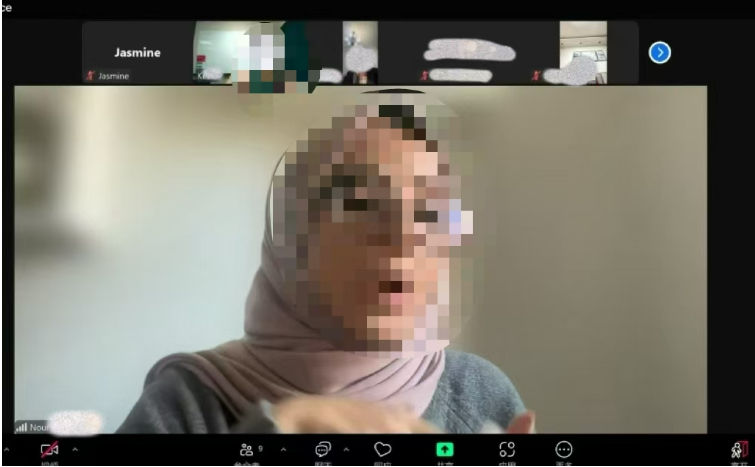
Dr. Najmi conducted a thorough review of Ms. Yang's full medical records, pathology reports, and imaging ahead of the session. In the subsequent video exchange, Dr. Najmi and the local treating team engaged in a detailed clinical discussion — confirming the diagnosis of metaplastic breast cancer, sarcomatoid cell subtype — and worked through treatment options, drug selection, and genetic counseling considerations together.
The Clinical Direction Established
Drawing on his experience with rare breast cancer subtypes, Dr. Najmi shared the following clinical perspectives with the local team:
Emerging treatment pathway: Given resistance to both chemotherapy and immunotherapy, the U.S. expert advised exploring a novel antibody-drug conjugate (ADC) regimen as a promising avenue beyond conventional treatment lines
Clinical trial access: Dr. Najmi identified enrollment in an ADC-related clinical trial as a concrete pathway to cutting-edge therapy under monitored conditions
Radiotherapy reassessment: The local team was advised to engage a radiation oncologist to evaluate the role of adjuvant radiotherapy
Genetic counseling guidance: BRCA1 variant of uncertain significance noted — family genetic testing encouraged but not mandatory; clinical significance to be monitored longitudinally
Surveillance framework: Given high recurrence risk, Dr. Najmi outlined a rigorous monitoring protocol — PET scans every 3 months in year one, every 4 months in year two, every 6 months in year three, supplemented by circulating tumor DNA testing from year two onward
Key clinical caution: Any suspected lesion requires biopsy confirmation; immunotherapy-related pseudo-progression must be carefully distinguished from true disease progression
The Outcome
The collaborative consultation equipped the local treating team with an evidence-based framework and direct access to the latest U.S. clinical data on a disease subtype where evidence globally remains scarce — at a point where standard options had been exhausted.
"Learning about the new antibody-drug conjugate options and clinical trials gave me new hope and direction. It strengthened my confidence in fighting this disease." — Ms. Yang, as relayed through her treating physician
Ms. Yang's family, moved by the outcome, proactively referred three other patients to the same consultation service — a testament to the impact of the clinical direction established.
Key Takeaway
Metaplastic breast cancer demands expertise that few institutions worldwide possess. When standard treatment fails and options narrow, a structured international expert consultation — connecting local treating physicians with U.S. specialists in rare cancer subtypes — can unlock clinical trial pathways, emerging drug options, and evidence-based surveillance strategies that would otherwise remain out of reach.
Frequently Asked Questions About Getting a Cancer Second Opinion from the US
How can I get a cancer second opinion from a top US hospital if I live abroad?
Getting a second opinion from a US cancer center is possible even if you live outside the United States. Services like Medebound HEALTH specialize in connecting international patients with leading US oncologists through secure virtual consultations. You submit your medical records online, and Medebound coordinates the expert review—often delivering a detailed report within 7–10 business days without the need for travel.
This approach removes common barriers like referral requirements or lengthy wait times, giving you timely access to world-class expertise. In fact, Medebound HEALTH has helped hundreds of patients worldwide access second opinions from top institutions such as Memorial Sloan Kettering Cancer Center and MD Anderson Cancer Center.
Taking this step can provide peace of mind and potentially open doors to advanced therapies or clinical trials unavailable in your home country.
What documents do I need to prepare for a US cancer second opinion?
To get an accurate and helpful second opinion, you need to provide your complete medical records. This includes pathology reports, biopsy slides, imaging scans (like CT or PET), treatment summaries, and genetic test results if available.
Medebound HEALTH assists in organizing, translating, and digitizing these documents, making the submission process smooth and secure. Having comprehensive and well-organized records ensures the US specialists can thoroughly evaluate your case and provide precise recommendations.
Patients who used Medebound HEALTH’s services often report that expert coordination of their medical documents significantly speeds up the review and improves clarity in the recommendations received.
Can I get a second opinion specifically from MD Anderson or Memorial Sloan Kettering?
Yes. Medebound HEALTH works directly with specialists from renowned US cancer centers, including MD Anderson and Memorial Sloan Kettering. When you submit your case, Medebound matches you with the best expert for your cancer type and clinical needs.
This means you can access top-tier oncologists remotely, without needing to travel or navigate complex hospital referral systems yourself. Many patients have discovered new treatment options and clinical trial opportunities through these second opinions that they otherwise wouldn’t have known about.
Why is getting a second opinion important for cancer treatment decisions?
Cancer treatment can be complex and evolving. A second opinion can confirm your diagnosis and treatment plan, or suggest alternative therapies, including cutting-edge immunotherapies or targeted drugs.
Research shows that 20% to 40% of cancer patients have their diagnosis or treatment plan changed after a second opinion from a US specialist (Mayo Clinic, 2017; Cancer Medicine, 2019). This can lead to less invasive treatments, better outcomes, and access to clinical trials.
Medebound HEALTH’s network helps patients worldwide access these second opinions with ease, offering reassurance and empowering patients to make fully informed decisions about their care.
How long does it take to receive a second opinion from a US cancer expert?
Typically, the process takes about 7 to 10 business days after you submit complete medical records. Medebound HEALTH coordinates all communications, ensuring your case is prioritized and securely transmitted to the matched specialist.
This fast turnaround is crucial, especially for aggressive or advanced cancers where timely treatment decisions can impact outcomes.
What if my second opinion differs from my current cancer treatment plan?
Differences between opinions are common and can be beneficial. A new expert review may highlight innovative therapies, suggest additional tests, or recommend clinical trials. It’s important to discuss these findings with your current oncologist to decide the best path forward.
Patients who have used Medebound HEALTH often say that receiving a second opinion gave them confidence to pursue treatments that improved their prognosis and quality of life.
Does Medebound HEALTH handle the privacy and security of my medical records?
Yes. Medebound HEALTH uses secure, encrypted channels compliant with international data protection laws (including HIPAA ) to ensure your information remains confidential throughout the process.
Final Thoughts: A Smart Step Toward Smarter Cancer Care
A second opinion is not just reassurance, it's a strategic step in a critical medical journey. Whether you're newly diagnosed, uncertain about a major treatment decision, or looking for innovative options, a second opinion can:
Strengthen your treatment plan
Introduce life-extending therapies
Reduce unnecessary treatments
Provide hope where none existed
With support from Medebound HEALTH, patients worldwide now have access to top U.S. cancer expertise without borders, without delay.

Contact Us to Get Started
Email: support@medeboundhealth.com
Website: www.medeboundhealth.com
WhatsApp: +1 718 213 8508
Submit the form: Click HERE we will get back within 4 hours
Instant Chat: Click the chat button at the lower right corner of this page
Submit your case today and connect with USA experts through Medebound HEALTH.
Disclaimer
We strive to maintain the accuracy and provide regular updates for the treatment information described in this article. However, treatment outcomes may vary between individuals. The information provided here is not intended as a diagnostic or treatment recommendation and should not replace the careful evaluation and advice of your attending physician.