Cancer Second Opinion: MD Anderson, MSKCC, and Other Top 5 Centers, Comparison and Options for Patients 2026

Updated: Mar 9
Author: Medical Editor Sue
Introduction:
For many international patients seeking a cancer second opinion in the United States, two institutions consistently rise to the top of the list: MD Anderson Cancer Center and Memorial Sloan Kettering Cancer Center (MSK).
Both hospitals are ranked among the world's leading cancer centers and receive thousands of international patients each year seeking expert evaluation before major treatment decisions. Both offer exceptional oncology expertise — but they differ meaningfully in structure, scale, specialization, and patient pathways.
This guide helps international patients and families understand those differences clearly. It also explains how expert U.S. oncology input can be structured as a peer-to-peer second opinion — one designed to support patients and their local treating teams, regardless of whether travel ultimately follows.
This guide explains:
The current status of second opinion programs at MD Anderson and Memorial Sloan Kettering
What in-person consultations at these centers involve
All realistic options available to patients who cannot travel
How collaborative remote consultations are structured
When a hospital visit remains the better choice

Table of Contents:
Why MD Anderson and Memorial Sloan Kettering Dominate Cancer Second Opinion Searches
MD Anderson Cancer Center and Memorial Sloan Kettering Cancer Center occupy a distinct position in global cancer care. Both are designated NCI Comprehensive Cancer Centers, both are consistently ranked at or near the top of U.S. News & World Report's annual cancer hospital rankings, and both have extensive experience with international patients seeking expert evaluation.
Their reputations are built on several shared strengths:
High-volume subspecialty oncology programs with deep experience in rare and complex cancer types
Multidisciplinary tumor boards that bring oncologists, surgeons, radiologists, and pathologists together on a single case
Active clinical research programs with large portfolios of clinical trials
The question for most international patients is not whether these institutions are excellent — both clearly are. The more useful question is: which one is the better fit for a specific cancer type, clinical situation, and set of practical circumstances?
MD Anderson Cancer Center: Second Opinion Overview
MD Anderson Cancer Center, located in Houston, Texas, is one of the largest dedicated cancer centers in the world. It treats more than 150,000 patients annually and maintains one of the largest clinical research programs of any single cancer institution globally.
Strengths
Scale and breadth: MD Anderson's size allows it to maintain dedicated programs for an exceptionally wide range of cancer types, including many rare diagnoses
Clinical trial access: Among the largest clinical trial portfolios of any cancer center globally, spanning early-phase studies through large multicenter trials
Surgical oncology: Particularly strong surgical expertise across gastrointestinal, thoracic, head and neck, and gynecologic cancers
International patient infrastructure: A large, established international center with multilingual coordinators experienced in managing logistics for overseas patients
How Second Opinion Consultations Work at MD Anderson
MD Anderson requires in-person appointments for second opinion consultations. Remote or digital record submission programs are not currently offered to most international patients.
A typical in-person second opinion involves:
Multidisciplinary team evaluation matched to your cancer type
On-site re-review of pathology slides and imaging by MD Anderson specialists
Access to bloodwork and additional diagnostics if needed
Formal evaluation for clinical trial eligibility
Written consultation report
Scheduling: Typically 2–4 weeks from initial contact, varying by cancer type and urgency.
Estimated total cost for international patients: $20,000–$40,000+, including consultation fees, international flights, and accommodation.
Memorial Sloan Kettering Cancer Center: Second Opinion Overview
Memorial Sloan Kettering Cancer Center, located in New York City, is a world-renowned institution treating over 400 cancer types. It is recognized internationally for subspecialty depth, particularly in rare and surgically complex cases, and for its precision medicine programs.
Strengths
Subspecialty depth: MSK is known for exceptional expertise in rare tumors, sarcomas, hematologic malignancies, and cancers requiring complex surgical approaches
Precision medicine: Strong programs in molecular diagnostics, genomic profiling, and targeted therapy — particularly relevant for tumors with complex or unusual molecular profiles
Surgical reputation: Widely considered among the world's leading institutions for surgical oncology, particularly for procedures requiring high technical precision
Multilingual support: Patient services in Mandarin, Korean, Hindi, and other languages frequently needed by international patients
How Second Opinion Consultations Work at MSK
MSK also requires in-person appointments for second opinion evaluations. Remote second opinion programs are not currently offered to most international patients.
A typical in-person second opinion involves:
Specialist evaluation matched to cancer type and stage
Pathology re-review and imaging evaluation by MSK subspecialists
Multidisciplinary input where clinically relevant
Assessment of clinical trial options and emerging therapies
Formal written consultation
Scheduling: Typically 2–4 weeks from initial contact, varying by cancer type and clinical urgency.
Estimated total cost for international patients: $20,000–$40,000+, including consultation fees, international flights, and accommodation.
Can International Patients Access U.S. Experts' Second Opinion Without Traveling?
For many international families facing cancer, the biggest question is not just:
Which hospital is best? but
Do we really need to travel overseas just to confirm our treatment plan?
The reality is that traveling to hospital facilities in the United States can be expensive, stressful, and time-consuming, especially for patients who are already in fragile health. Waiting weeks for an appointment abroad may also delay critical treatment decisions.
The good news is that you don't always need to travel first.
Through collaborative second opinions from specialists affiliated with top 5 U.S. Cancer Centers, patients can:
Have pathology slides, scans, and test results reviewed by oncologists affiliated with or have trained at a top 5 U.S. cancer centers.
Confirm whether their local treatment plan is the best option or discover safer, more effective alternatives.
Learn about advanced therapies, genetic testing, or clinical trials available in the U.S.
Gain peace of mind, knowing their care decisions are backed by the world’s top specialists.
This structured second opinion allows families to make confident, informed choices without the immediate burden of long-distance travel.
What a Collaborative Second Opinion Is — and How It Works
A collaborative second opinion is an educational consultation in which an independent U.S.-licensed oncology specialist reviews a patient's complete medical records and provides a structured report that can be discussed directly with the patient's local treating team.
The purpose is not to replace the local oncologist. It is to introduce a layer of independent expert review — the same kind of peer review that occurs informally between academic oncologists at major cancer centers — into the treatment process for patients who are not physically present at those institutions.
A well-structured second opinion typically includes:
Confirmation or clarification of diagnosis and staging
Independent review of pathology reports and imaging studies
Assessment of whether the proposed treatment plan aligns with current U.S. evidence-based guidelines
Identification of alternative treatment strategies, if applicable
Screening for relevant clinical trial eligibility
Evidence-based guidance on treatment sequencing
A documented report structured for discussion with the patient's local treating physician
Specific questions and considerations the local oncologist and patient can discuss together
This report functions as clinical input for the local treating team. Families who have gone through this process often share the report with their local oncologist and use it to open a more informed discussion about the proposed treatment approach — including whether specific elements of the plan should be reconsidered, and whether any additional testing is warranted before proceeding.
How Medebound HEALTH Supports Collaborative Second Opinions
Medebound HEALTH is a U.S.-based medical coordination service that facilitates remote second opinions from independent U.S.-licensed oncology specialists who hold current or prior academic appointments at leading cancer centers — including MD Anderson Cancer Center, Memorial Sloan Kettering Cancer Center, Mayo Clinic, Dana-Farber Cancer Institute, and Massachusetts General Hospital.
The service manages the preparatory and logistical aspects of a second opinion request — including record collection, medical translation, case organization, and specialist matching — so that the reviewing physician can assess the case with the same rigor expected in an academic clinical setting.
Since 2016, Medebound HEALTH has helped thousands of families, primarily from Asia, access this form of expert input — often in situations where local treatment options were uncertain, where standard therapies had not produced the expected response, or where a major treatment decision was approaching and the family wanted independent confirmation before proceeding.
Why Patients Use This Service
Dedicated case manager — assists throughout the process, including organizing and translating medical records from non-English sources into U.S.-standard clinical summaries
Subspecialty matching — independent physicians with backgrounds spanning multiple top-tier U.S. institutions, matched specifically by cancer type and stage
Physician-to-physician engagement — the structured report is designed to be shared with and discussed by the patient's local oncologist
Structured turnaround — most cases completed in 5–10 business days from receipt of complete records
Post-consultation coordination — if the independent physician and patient determine that in-person evaluation at a U.S. cancer center would be beneficial, Medebound HEALTH assists with scheduling, visa documentation, accommodation, and treatment coordination
Note: All consultations are provided by independent U.S.-licensed physicians and are not services of any hospital or cancer center as an institution.
What This Type of Consultation Cannot Provide
Prescriptions or direct medication orders
Physical examination or on-site biopsy
Hospital admission or emergency care
Direct clinical trial enrollment (which requires in-person participation at the enrolling institution)
Guaranteed access to any specific specialist
Note: Access is not always guaranteed for some specialties, but we strive to help connect patients with appropriate expertise based on their specific diagnosis and needs.
Real Patient Experiences
The following case studies demonstrate how patients have accessed expert guidance through remote consultations with independent specialists affiliated with top U.S. cancer centers. All names, photos, and identifying details have been anonymized to protect patient privacy and confidentiality.
Case Study 1: Cross-Border Consultation for Rare Metaplastic Breast Cancer
The Patient"Ms. Yang" (pseudonym), 56, presented with one of the rarest and most treatment-resistant subtypes of breast cancer: metaplastic breast cancer, accounting for just 1–2% of all breast cancer diagnoses. Its atypical cell morphology, lack of uniform treatment standards, and poor prognosis make it among the most clinically challenging breast cancers to manage. Her history was already complex — a right breast invasive ductal carcinoma in December 2022, treated with chemotherapy, surgery, and radiotherapy, followed by a new left breast diagnosis in April 2024: invasive ductal carcinoma and triple-negative breast cancer (TNBC). Despite multiple chemotherapy attempts, the tumor continued to progress, ultimately requiring a left mastectomy in September 2024. Postoperative pathology confirmed lymph node metastasis — an occurrence seen in only 10% of metaplastic breast cancer cases, signaling an aggressive disease course. The Clinical NeedWith both chemotherapy and immunotherapy proving ineffective, the complexity of this rare subtype had exceeded locally available clinical experience. Ms. Yang's treating physician sought an expert clinical exchange with a U.S.-based rare breast cancer specialist to inform the next stage of management. Medebound HEALTH facilitated this cross-border collaboration, connecting the local treating team with "Dr. Najmi" (pseudonym), a breast cancer specialist with a professional appointment at Memorial Sloan Kettering Cancer Center (MSKCC), New York, directing the institution's Rare Breast Cancer Program and co-leading its Triple-Negative Breast Cancer Clinical Research initiative. MSKCC is consistently ranked among the top cancer centers in the United States and is a designated NCI Comprehensive Cancer Center. The ConsultationDr. Najmi conducted a thorough review of Ms. Yang's full medical records, pathology reports, and imaging ahead of the session. In the subsequent video exchange, Dr. Najmi and the local treating team engaged in a detailed clinical discussion — confirming the diagnosis of metaplastic breast cancer, sarcomatoid cell subtype — and worked through treatment options, drug selection, and genetic counseling considerations together. The Clinical Direction EstablishedDrawing on his experience with rare breast cancer subtypes, Dr. Najmi shared the following clinical perspectives with the local team:
The OutcomeThe consultation equipped the local treating team with an evidence-based framework and direct access to the latest U.S. clinical data on a disease subtype where evidence globally remains scarce — at a point where standard options had been exhausted.
Ms. Yang's family, moved by the outcome, proactively referred three other patients to the same consultation service — a testament to the impact of the clinical direction established. Key TakeawayMetaplastic breast cancer demands expertise that few institutions worldwide possess. When standard treatment fails and options narrow, a structured international expert consultation — connecting local treating physicians with U.S. specialists in rare cancer subtypes — can unlock clinical trial pathways, emerging drug options, and evidence-based surveillance strategies that would otherwise remain out of reach. |
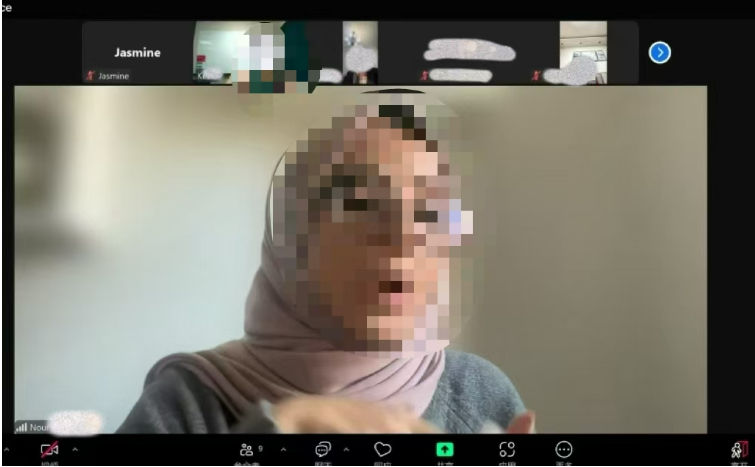
Note: This consultation represents a physician-to-physician educational exchange facilitated by Medebound HEALTH. All opinions are provided by independent U.S.-licensed physicians in their individual professional capacity, and do not constitute institutional services of any hospital or cancer center. This consultation does not establish a physician-patient relationship between the U.S. expert and the patient.
Case Study 2: Cross-Border Consultation for Rapidly Progressing Uterine Leiomyosarcoma with a top specialist affiliated with MD Anderson
The Patient"Ms. Liu" (pseudonym), 45, was diagnosed with uterine leiomyosarcoma following a full hysterectomy and bilateral salpingo-oophorectomy. By August 2025 — just six months post-surgery — CT scans confirmed multiple metastases to the lungs, liver, and spleen. Two cycles of doxorubicin (clinical trial, control arm) followed by gemcitabine + docetaxel failed to contain the disease. By September, a liver lesion had doubled in size from 2.5cm to 5.0cm. Molecular profiling returned an unfavorable immunotherapy profile: PD-L1 CPS of 2, microsatellite stable (MSS), low TMB, with somatic TP53 mutation and PTEN deletion — narrowing the path forward significantly. The Clinical NeedWith first-line treatment exhausted and a molecular profile offering limited immunotherapy options, Ms. Liu's domestic attending physician at a leading oncology institution in China faced a rapidly narrowing set of options. The complexity of the case — diffuse multi-organ metastasis in a rare sarcoma subtype — called for an expert clinical exchange beyond what local experience could offer. Medebound HEALTH facilitated the connection with "Dr. Mercer" (pseudonym), a sarcoma oncologist affiliated with MD Anderson Cancer Center, Houston — one of the world's foremost cancer institutions and a designated NCI Comprehensive Cancer Center. The ConsultationWithin five days of completing medical record preparation, a 45-minute trilateral video consultation was conducted — joining Dr. Mercer and Ms. Liu's domestic attending physician in a real-time, cross-Pacific clinical exchange. Dr. Mercer reviewed the full case in advance and engaged directly with the local team, identifying the core clinical reality: diffuse multi-organ metastasis, an exhausted first-line regimen, and a molecular profile demanding a carefully sequenced salvage strategy. The Clinical Direction EstablishedDrawing on deep sarcoma expertise, Dr. Mercer advised the local treating team on the following structured, evidence-informed roadmap:
The OutcomeIn under five days from medical record submission to consultation — faster than a typical specialist appointment at a top-tier domestic hospital — the local treating team received a comprehensive, expert-guided treatment framework across three time zones.
Key TakeawayFor rapidly progressing rare sarcomas where molecular profiling offers limited immunotherapy options, expert-guided treatment sequencing becomes the most critical clinical decision. This case demonstrates that a structured international expert consultation — completed remotely in days — can deliver the strategic clarity that changes a patient's trajectory, without the patient ever leaving home. |

When In-Person Evaluation at a Major U.S. Cancer Center Remains Necessary
A collaborative second opinion is not a substitute for in-person evaluation in every situation. Some clinical presentations require direct assessment at an institution such as MD Anderson or Memorial Sloan Kettering. These include:
Cases requiring physical examination, biopsy, or procedural evaluation that cannot be conducted remotely
Surgical planning requiring hands-on assessment of anatomy and tumor characteristics
Clinical trial enrollment requiring on-site participation and eligibility screening
Advanced diagnostic procedures only available at major academic centers
In these situations, this remote second opinion often serves as effective preparation — helping patients arrive at a major cancer center with records organized, clinical questions clarified, and a clearer understanding of what they are seeking from the in-person evaluation. This frequently reduces the number of appointments required and makes the in-person time more productive.
Travel to a major U.S. cancer center remains a well-supported option for patients whose health and circumstances allow it. The two pathways — collaborative remote review and in-person hospital consultation — are not mutually exclusive. For many families, they are sequential.
FAQs About U.S. Second Opinions by Medebound HEALTH
What is a collaborative second opinion and how is it different from a standard second opinion?
A collaborative second opinion is a structured consultation in which an independent U.S.-licensed oncology specialist reviews your complete medical records and produces a report explicitly designed to be shared with and discussed by your local treating team. The goal is not to replace your local oncologist, but to introduce expert academic perspective into the treatment discussion — the same kind of peer review that occurs between oncologists at major cancer centers, made accessible to patients receiving care elsewhere.
Can I get a second opinion from U.S. hospitals without traveling?
Yes — with Medebound HEALTH, you can consult leading U.S. cancer specialists entirely online. Our secure telemedicine system allows you to upload your medical records and receive detailed expert reviews remotely.
You’ll get actionable recommendations and, if needed, connections to hospitals such as MD Anderson, Memorial Sloan Kettering, Mayo Clinic, or Dana-Farber — all without leaving your home country.
Takeaway: Medebound brings world-class U.S. cancer expertise to you, no matter where you live.
What is the cost of a U.S. second opinion through Medebound HEALTH?
Costs depend on case complexity and physician availability. Usually will be $2000-$6000
Medebound HEALTH provides customized, transparent pricing that often makes consultations more affordable than traveling abroad. Our packages include medical record preparation, translation, and secure coordination with U.S. doctors.
Takeaway: You’ll receive a full cost estimate upfront with pricing that’s faster and more cost-efficient than direct hospital routes.
How long does it take to receive my second opinion report?
Time frames vary by provider. Traditional U.S. hospitals like MD Anderson may take 2–4 weeks to schedule an appointment.
Medebound HEALTH delivers comprehensive second opinion reports in as little as 5–10 business days, thanks to our dedicated coordination team and high expert-to-patient ratio. Urgent cases can be expedited even faster.
Takeaway: Medebound offers some of the quickest expert turnarounds available — without compromising quality.
Will my medical records in Mandarin or other languages be accepted?
Yes. Medebound HEALTH fully supports multilingual medical documentation, including Mandarin, Korean, Arabic, Spanish, and more.
Our in-house medical translators convert your records into U.S.-standard clinical summaries, ensuring accuracy and clarity for American physicians. This eliminates delays and guarantees a smooth consultation process.
Takeaway: Language is never a barrier Medebound HEALTH ensures your records are professionally prepared for U.S. expert review.
Can a second opinion help me access U.S. clinical trials?
Yes. Many of Medebound HEALTH’s consulting physicians hold senior or director-level roles at major cancer centers and include clinical trial screening in their reviews.
This means your report may include recommendations for cutting-edge therapies or ongoing trials that fit your diagnosis and genetic profile.
Takeaway: Through Medebound HEALTH, a second opinion can open doors to next-generation treatments before they’re available elsewhere.
How secure is my information during the online consultation?
Your data security is our top priority. Medebound HEALTH uses HIPAA-compliant encryption for all uploads, communications, and data transfers the same standard required for all U.S. hospitals.
We protect your identity, medical information, and results throughout every step of the process.
Takeaway: Medebound guarantees total confidentiality and hospital-grade security for every patient.
Which Option is Best for You?
Choosing the right consultation pathway depends on your priorities and circumstances:
In-Person Consultations at Top U.S. Cancer Centers (MD Anderson, Memorial Sloan Kettering, Mayo Clinic, Dana-Farber) – Best for patients who can travel to the United States and want comprehensive, in-person evaluations with direct access to multidisciplinary teams, advanced diagnostics, and clinical trial enrollment.
Remote Expert Second Opinion Through Medebound HEALTH – Perfect for patients who want speed, convenience, and comprehensive support without leaving their home country.
Ideal when health conditions do not allow long-distance travel, or when you need expert guidance quickly from independent physicians affiliated with top centers. Can facilitate subsequent in-person visits when appropriate.
Both pathways offer access to world-class cancer expertise. The choice depends on your medical condition, travel feasibility, timeline requirements, and personal preferences.
Contact Us:
Email: support@medeboundhealth.com
Website: www.medeboundhealth.com
WhatsApp: click HERE
Submit the form: Click HERE we will get back within 4 hours
Instant Chat: Click the chat button at the lower right corner of this page👇
Submit your case today and connect with Top U.S. Oncologists affiliated with top U.S. Cancer Centers through Medebound HEALTH.

Disclaimer:
We strive to maintain the accuracy and provide regular updates for the treatment information described in this article. However, treatment outcomes may vary between individuals. The information provided here is not intended as a diagnostic or treatment recommendation and should not replace the careful evaluation and advice of your attending physician. The service is independently operated by Medebound HEALTH and is not provided, partnered, or affiliated with any hospital centre as an institution.