Soft Tissue Sarcoma Treatment in the US: 56-Year-Old Patient Successfully Enrolled in Clinical Trial After Remote Consultation with MD Anderson Cancer Center

Updated: Jul 1
Author: Medical Editor Jason
What is soft tissue sarcoma, and how high is the incidence rate?
Advantages and latest developments in treating soft tissue sarcoma in the USA
Leading hospitals and experts for treating soft tissue sarcoma in the USA
Pain Points for International Patients with Soft Tissue Sarcoma
Asian Sarcoma Patients' Remote Video Consultations with US Experts and Visit Cases
Medebound HEALTH: Connecting You to Global Top Medical Resources
What is soft tissue sarcoma and how common is it?
Soft tissue sarcoma is a type of cancer that usually occurs in the soft tissues that surround, connect, or support the structures and organs of the body. These tissues include muscles, joints, tendons, fat, blood vessels, nerves, and tissues. The incidence of soft tissue sarcoma is not high,American Cancer Society estimates that by 2023, about 13,400 adults and children will be diagnosed with soft tissue sarcoma. Soft tissue sarcomas account for 1% of all adult cancers. They account for 7% of all cancers in children under 15 years old and 3% of all cancers in children 14 years and younger.
How is soft tissue sarcoma treated?
The treatment of soft tissue sarcoma usually depends on the cancer's type, location, and stage. Soft tissue sarcoma detected early can be surgically removed and further controlled with radiation and chemotherapy. For advanced or metastatic soft tissue sarcoma, chemotherapy is a common treatment method, but these patients usually have poor treatment outcomes.
In recent years, the introduction of targeted therapy and immunotherapy has brought new breakthroughs to the treatment of soft tissue sarcoma. Certain targeted drugs can address specific genetic mutations in soft tissue sarcoma cells, thereby increasing the precision of the treatment.
Surgical Treatment
Surgery is the main treatment method for soft tissue sarcoma. The success rate of surgery is often closely related to the experience of the doctor performing the surgery. Experienced sarcoma treatment specialists usually usethe most advanced and minimally invasive techniquesto perform surgery. Chemotherapy or radiotherapy may be combined after surgery for further treatment.
Limb-sparing Surgery is a special surgical method that can avoid limb amputation for most patients
Patients do not need to remove arms or legs to treat sarcoma, and surgery is usually combined with radiotherapy after the procedure.
Chemotherapy
Chemotherapy can be used as a primary treatment for soft tissue sarcoma or combined with surgery or radiotherapy. Chemotherapy typically involves a combination of two or more chemotherapy drugs. Sometimes, limb perfusion chemotherapy (a type of localized chemotherapy) is also used to provide more concentrated drug treatment to the limb.
Radiation Therapy
Radiation therapy is not usually the main treatment for soft tissue sarcoma, but it is used before surgery to shrink tumors or after surgery to eliminate residual cancer cells. If the patient cannot undergo surgery, radiation therapy may also help relieve pain and other symptoms.
Radiation therapy techniques include:
Brachytherapy: Implanting radioactive seeds near the tumor
3D Conformal Radiation Therapy: Precisely targeting the tumor with multiple radiation beams
Intensity-Modulated Radiation Therapy (IMRT): Adjust treatment according to the specific shape of the tumor
Proton Therapy: Use protons to precisely target the tumor, effectively protecting surrounding healthy tissue
Proton Therapy
Proton therapy delivers high-dose radiation precisely to the tumor site using a proton beam, minimizing damage to healthy tissues and vital organs. This treatment can provide better cancer control outcomes and has less impact on the body, suitable for some patients.
Targeted Therapy (Precision Medicine)
Targeted therapy inhibits the growth or spread of cancer cells by interfering with specific molecules needed for tumor growth,slowing the progression of cancer.
Targeted therapy is directed at specific molecules on or within cancer cells that are produced by cancer genes or the cancer cells themselves. Doctors may use genomic or molecular analyses to select the most suitable targeted therapy to effectively combat cancer.
Can soft tissue sarcoma patients be cured?
According to NIH report, small low-grade tumors, especially those in the trunk or limbs, can usually be cured with surgery alone. High-grade sarcomas have a higher rate of local treatment failure and a greater potential for metastasis.
Factors associated with poor prognosis in adult soft tissue sarcoma include:
Age over 60 years.
Tumor size (e.g., maximum dimension greater than 5 cm, the impact varies with different sarcoma subtypes).
High histological grade of the tumor (including histological specific differentiation, mitotic rate, and extent of tumor necrosis).
Advanced stage tumor pathology at diagnosis.
Positive tumor margins after surgery.
Advantages and Latest Developments in Treating Soft Tissue Sarcoma in the USA
The advantages of sarcoma treatment in the USA include:
Top cancer centers in the USA (such as MD Anderson Cancer Center) adopt a Multidisciplinary Team (MDT) collaboration model, integrating experts from fields such as surgery, medical oncology, radiation oncology, pathology, and radiology to collaboratively develop the optimal treatment plan for each patient's condition.
Cancer centers in the USA have extensive Phase I-III clinical trial programs, allowing patients early access to the latest global research drugs and treatment methods.
The latest advancements in sarcoma treatment in the United States include:
Immunotherapy: Currently, the United States has introduced immunotherapy as a new option for treating advanced sarcoma, particularly for specific types of soft tissue sarcoma. For example, the MD Anderson Cancer Center has been conducting studies on adaptive NK cells with reactive affinity-enhanced T cell receptors (TCR) combined with lymphocyte-clearing chemotherapy for some types of sarcomas.
Precision Radiotherapy:High-precision radiotherapy can offer sarcoma patients accurate treatment, minimizing damage to surrounding healthy tissue. There is ongoing research into whether different radiotherapy methods might provide additional benefits for overall sarcoma treatment, such as the latest study which aims to determine if pre-surgical radiotherapy is safe and effective for treating soft tissue sarcoma. Conducted in Wisconsin.
Targeted Therapy: Based on the molecular characteristics of different types of sarcoma, targeted therapy drugs have received positive feedback in some clinical trials. For example,the drug Selinexor in multiple clinical trials, has shown efficacy in soft tissue sarcoma patients by significantly delaying tumor progression, especially in certain resistant types of sarcoma.
Leading Hospitals and Experts in the U.S. for Treating Soft Tissue Sarcoma
1. MD Anderson Cancer Center
Location: Houston, Texas
Advantages: MD Anderson is one of the most renowned hospitals globally for cancer treatment, and its sarcoma department is one of the leading institutions in the U.S. for sarcoma treatment.
Introduction of MD Anderson Expert:
Shreyaskumar R. Patel, MD, is a renowned sarcoma expert at MD Anderson Cancer Center, specializing in the diagnosis and treatment of sarcoma, with extensive experience and a strong academic background particularly in soft tissue sarcomas and osteosarcomas. His research focuses on targeted therapies, immunotherapy, and clinical trials of new drugs for sarcomas. He is dedicated to improving patients' cure rates and quality of life through personalized treatment plans.
2. Memorial Sloan Kettering Cancer Center
Location: New York City
Strengths: The center specializes in clinical trials and cutting-edge therapies, committed to providing sarcoma patients with innovative treatment options.
Pain Points for International Sarcoma Patients
For families facing a major disease diagnosis, accessing advanced therapies in the United States often seems out of reach.
Challenge 1: Difficulty in Choosing Treatment Options
Patients may lack understanding of various treatment methods (such as medication, surgery), making it difficult to make informed decisions.
Challenge 2: High Medical Costs
Sarcomas often require long-term treatment, which can lead to significant financial pressure on patients, not including long-distance travel, accommodation, and living expenses. Additionally,95% of international patients do not have insurance to cover these costs.
Challenge 3: Language and Cultural Barriers
International patients may face challenges with language communication and cultural differences when seeking medical treatment abroad, affecting treatment outcomes.
Challenge 4: Need for long-term stay in the US or commuting between two countries
Sarcoma treatment is a long-term process, and periodic remission does not equate to long-term remission. Some patients, once they go to the US, it means a long stay in America or tiring commutes between two countries.
Is there a way to help patients reduce the burden?
Yes, indeed there is.
Asian Sarcoma Patients Remote Video American Experts and Cases of Traveling to the U.S.
56-year-old Asian male patient was diagnosed with advanced dedifferentiated liposarcoma domestically, with lung metastases. He underwent partial surgery and chemotherapy but relapsed quickly, and the tumor showed resistance to standard chemotherapy regimens (doxorubicin and ifosfamide).
In this situation, the patient and his family found MEDEBOUND HEALTH—a cross-border medical service organization with 9 years of overseas medical service experience and a patient satisfaction rate of 95%.

Video Consultation and Initial Diagnosis
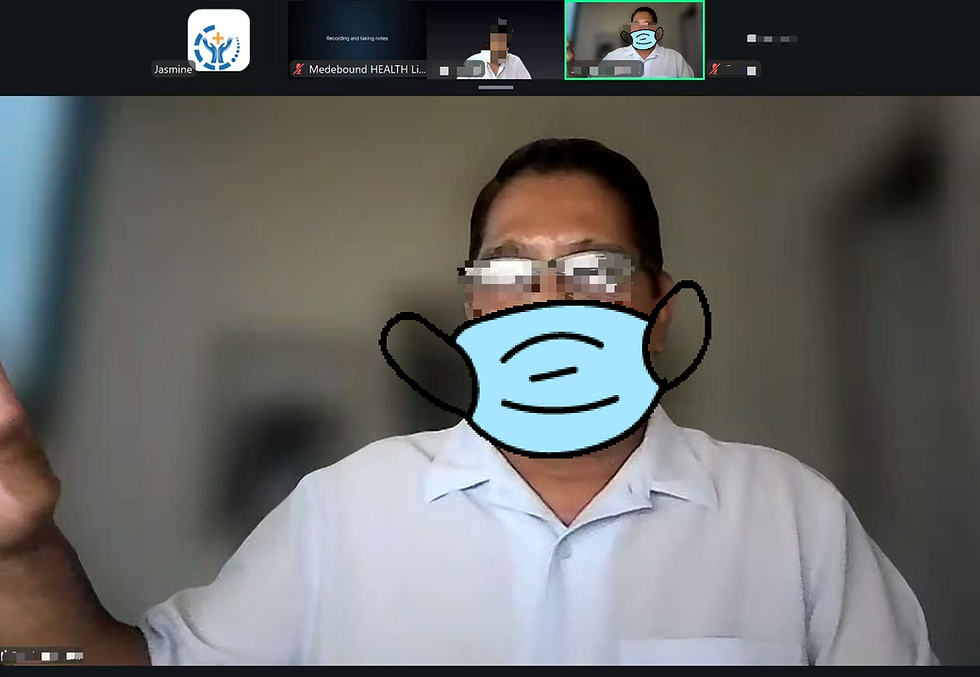
With the assistance of Medebound HEALTH, he had a consultation through remote video with the sarcoma specialist at MD Anderson Cancer Center in the USA, Dr. Mercer (alias).
Dr. Mercer (alias) provided the patient with a personalized treatment plan, including the latest immunotherapy options and precision radiotherapy, and recommended opportunities to participate in related clinical trials. After receiving the treatment plan domestically, the patient’s tumor was effectively controlled, and after stabilizing their condition, they went to MD Anderson in the USA to participate in Dr. Mercer (alias)'s recommended clinical trials.

Visit to MD Anderson Cancer Center, USA
At MD Anderson Cancer Center, led by Dr. Mercer (alias), the patient received a comprehensive treatment plan.
Personalized Targeted Therapy: Based on genetic testing of the tumor, the patient was selected for a clinical trial of a targeted drug for MDM2 gene amplification, using an experimental medication.
Local Radiotherapy: Prior to targeted therapy, precise radiotherapy was applied to the primary tumor site to shrink the tumor and relieve pain.
Supportive Therapy: To enhance immune function, the patient also received immunomodulatory therapy to mitigate the side effects of targeted drugs.
After 6 months of treatment, the patient's lung lesions reduced by over 40%, and the primary tumor remained stable. The patient was able to resume daily life and continue long-term follow-up treatment.

Patient Testimonials
The patient and their family expressed high appreciation and gratitude for Dr. Mercer's consultation and face-to-face treatment. They believe that this remote consultation and medical visit to the US provided them with new hope and direction for treatment. It allowed them to have a dignified and quality life after the cancer diagnosis.
The family highly acknowledges Medebound HEALTH's professional services and volunteered to recommend us to well-known local hospitals, helping more patients connect with US medical services.
How Medebound HEALTH Supports Your Cancer Treatment Journey
Medebound HEALTH bridges the gap between you and the best US cancer experts, whether you’re seeking a virtual consultation or planning your medical travel. Our services include:
Connecting you with leading sarcoma doctors at MD Anderson, Memorial Sloan Kettering Cancer Center (MSKCC), and other top hospitals.
Assisting with both written and video second opinions, as well as on-site appointments for in-person treatment.
Compared to contacting the hospital’s international department directly, Medebound HEALTH offers a more efficient appointment process:
Second opinions can be completed within 1-2 weeks.
On-site appointments can be arranged within 3-4 weeks.
Coordinating comprehensive support for travel logistics, including visa assistance, accommodation arrangements, and interpreter services.
For on-site appointments, the hospital’s international department provides medical translation services, while Medebound HEALTH offers additional daily life translation support to help you feel comfortable throughout your stay.
Providing continuous care coordination to ensure smooth communication between your local doctors and US specialists, so your treatment plan is clear and seamless.
Important Considerations:
Insurance Coverage: Check with your insurance provider regarding coverage for second opinion consultations, as many may not cover the cost.
Second Opinion Limitation: U.S. second opinion consultations are for reference purposes only. The physician-patient relationship is not formed with your remote physician. Remote consultations differ from in-person visits and are subject to limitations due to lack of direct in-person examination. As such you will need to understand Medebound HEALTH and the U.S. doctor are not liable for any treatment decisions made based on the second opinion, and accept the risks of relying on any information provided under this agreement. You will need to sign an agreement to confirm that you voluntarily request this service and understand its limitations.
Timeliness: Getting a second opinion early in your treatment journey, ideally before starting treatment, can be beneficial.
Conclusion: Taking Control with Medebound HEALTH and US Expertise
Facing sarcoma can be daunting, but with Medebound HEALTH, you don’t have to navigate it alone. Whether you start with an online second opinion or plan a full medical tour to the USA, you gain access to the most advanced treatments and compassionate care.
You can take charge of your treatment with expert guidance, clear options, and the reassurance that sarcoma doesn’t stand a chance against the power of US cancer treatment.
Contact Us to Get Started
Email: support@medeboundhealth.com
Website: www.medeboundhealth.com
Free-toll US Phone Number: +1 917 342 2381
Submit the form: Click HERE we will get back within 4 hours
Instant Chat: Click the chat button at the lower right corner of this page
Submit your case today and connect with USA experts through Medebound HEALTH.
Disclaimer:
We strive to maintain the accuracy and provide regular updates for the treatment information described in this article. However, treatment outcomes may vary between individuals. The information provided here is not intended as a diagnostic or treatment recommendation and should not replace the careful evaluation and advice of your attending physician. The service is independently operated by Medebound HEALTH and is not provided, partnered, or affiliated with any hospital center as an institution.